
The retail landscape is undergoing a seismic shift as technology continues to redefine how consumers shop. The advent of digital tools and platforms has transformed the shopping experience, offering consumers unprecedented convenience, personalization, and engagement. This article examines the key technological innovations shaping the future of shopping and their implications for both consumers and retailers.
At the forefront of this transformation is the rise of e-commerce. Online shopping has become a staple for many consumers, providing the ability to browse a vast array of products from the comfort of their homes. E-commerce platforms have streamlined the shopping process, allowing users to compare prices, read reviews, and make purchases with just a few clicks. This convenience is especially appealing in today’s fast-paced world, where time is often at a premium.
Moreover, advancements in mobile technology have further propelled the growth of online shopping. The proliferation of smartphones has made it easier than ever for consumers to shop on the go. Mobile apps and optimized websites allow for seamless browsing and purchasing experiences, empowering consumers to shop anytime and anywhere. Retailers have responded by investing in mobile-friendly interfaces and payment solutions to capture this growing segment of consumers who prefer shopping via their devices.
In addition to e-commerce, social media has emerged as a powerful influence on shopping behavior. Platforms like Instagram, Facebook, and TikTok are not just social networks; they are also marketplaces where consumers discover new products and brands. Social commerce has gained traction, allowing users to purchase items directly from posts and stories. This integration of shopping and social interaction has transformed how brands engage with consumers, creating a more immersive shopping experience. Influencers and user-generated content play crucial roles in this space, as they shape perceptions and drive purchasing decisions through relatable recommendations.
Another significant trend is the rise of personalization in shopping. Consumers today expect tailored experiences that cater to their individual preferences. Retailers are leveraging data analytics and artificial intelligence to gather insights into consumer behavior, enabling them to offer personalized recommendations and targeted promotions. For example, online retailers can analyze past purchases and browsing history to suggest products that align with a consumer’s tastes. This level of personalization not only enhances the shopping experience but also fosters brand loyalty as consumers feel understood and valued.
The integration of augmented reality (AR) and virtual reality (VR) technologies is also revolutionizing the shopping experience. AR allows consumers to visualize products in their own environments, whether it’s seeing how a piece of furniture fits in their living room or trying on virtual clothing. This immersive experience helps to bridge the gap between online and offline shopping, reducing uncertainty and increasing confidence in purchasing decisions. Retailers are increasingly adopting AR solutions to enhance customer engagement and drive sales.
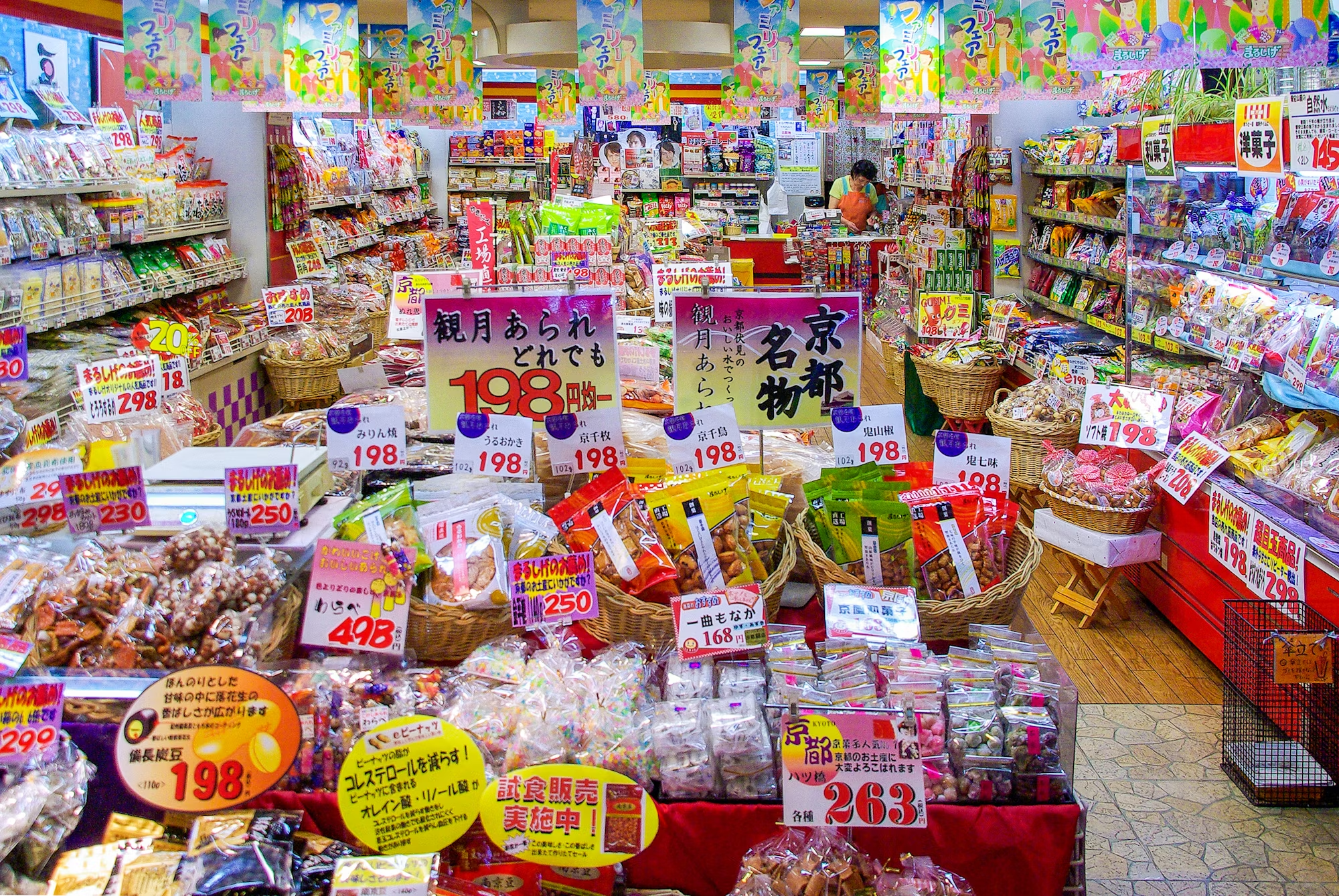
In physical retail environments, technology is transforming the in-store experience. Many retailers are incorporating digital elements such as interactive displays, touchscreens, and mobile payment options to create a more engaging shopping atmosphere. For instance, stores may offer digital kiosks where customers can access product information, check inventory, or place orders for items not available on-site. These innovations not only streamline the shopping process but also provide consumers with a richer, more interactive experience.
Furthermore, the use of data analytics in brick-and-mortar stores is becoming more prevalent. Retailers can track customer behavior and preferences through various means, such as loyalty programs and in-store sensors. This data can inform everything from product placement to inventory management, allowing retailers to optimize the shopping experience based on real-time insights. Understanding consumer behavior at this granular level enables retailers to make informed decisions that enhance customer satisfaction and drive sales.
As technology continues to advance, the future of shopping will likely see even more innovations. Concepts such as cashier-less stores, where customers can simply walk in, pick up products, and leave without traditional checkout processes, are already being tested. These stores utilize sensors and AI technology to automatically track purchases, creating a seamless and efficient shopping experience. This trend reflects the growing demand for convenience and speed in the shopping process.
Moreover, sustainability is becoming a key consideration in the retail industry, and technology is playing a vital role in promoting eco-friendly practices. Retailers are increasingly focusing on reducing their carbon footprints and implementing sustainable sourcing practices. Technologies such as blockchain can enhance transparency in supply chains, allowing consumers to trace the origins of products and make more informed choices. This alignment with ethical consumerism not only meets the demands of conscientious shoppers but also fosters trust and loyalty among consumers.
In conclusion, the digital age is transforming the shopping experience in profound ways. From the rise of e-commerce and mobile shopping to the integration of AR and data analytics, technology is reshaping how consumers interact with brands. As retailers embrace these innovations, they must also prioritize customer experience, personalization, and sustainability to thrive in this evolving landscape. The future of shopping promises to be more convenient, engaging, and aligned with consumer values, paving the way for a new era of retail that meets the needs and expectations of modern consumers.

 Sophia Mitchell